


Mental health is the cornerstone of our overall well-being. It influences how we feel, think, act, and interact with others. From how we manage stress to how we build relationships and make decisions, mental health plays a role in every part of life. Yet, despite its impact, it’s often misunderstood or ignored. According to the World Health Organization (WHO), health is not just the absence of illness but a state of complete physical, mental, social, and spiritual well-being. That means mental wellness isn’t optional—it’s essential.
What is Mental Health?

Mental health refers to your emotional, psychological, cognitive, and social well-being. It’s not just about avoiding depression or anxiety; it’s about thriving, feeling balanced, and handling life’s curveballs with confidence. Having strong mental health means you know your strengths and limitations, you can manage your emotions, you maintain fulfilling relationships, and you handle stress without crumbling. Mental health is just as important as physical health—maybe even more.
Aspects of Mental Health You Should Know
Understanding the components of mental health can help us nurture it better. Here are the key aspects of mental health:
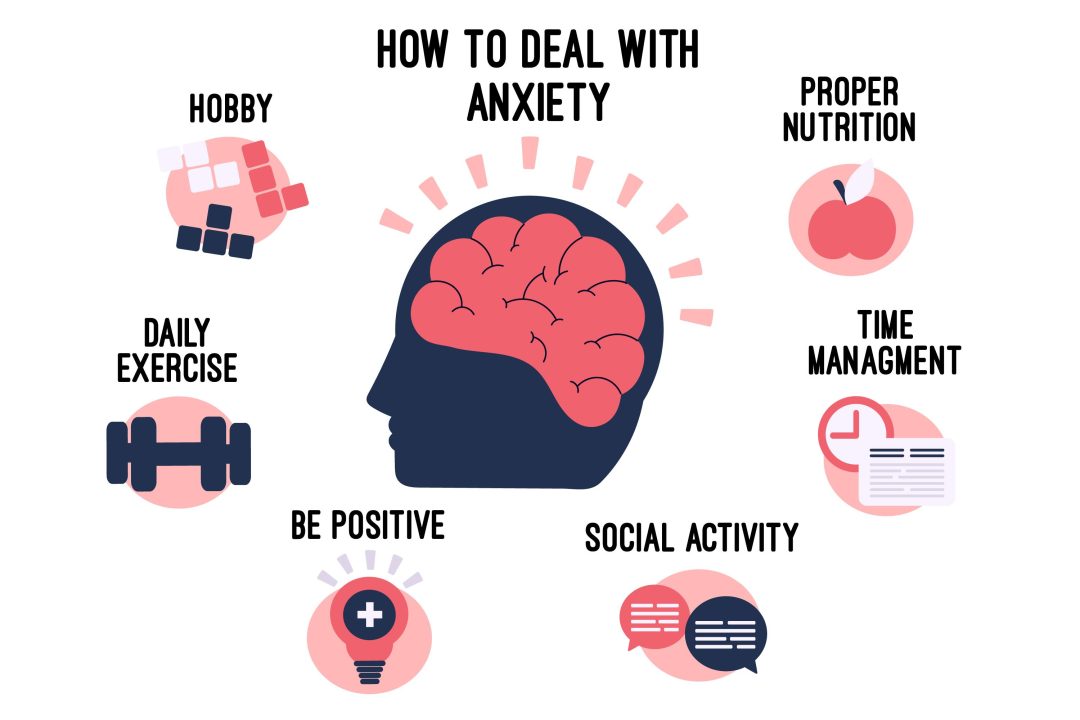
1. Emotional Well-Being
The ability to understand and manage your feelings—anger, sadness, joy—is vital. Emotional well-being helps in building strong relationships and coping with stress effectively. Without it, life can feel overwhelming.
2. Psychological Well-Being
This refers to feeling good about life and yourself. It involves emotional flexibility, personal growth, self-acceptance, and life satisfaction. People with strong psychological well-being tend to bounce back from adversity faster.
3. Cognitive Well-Being
Mental sharpness, clarity, memory, and decision-making all fall under this umbrella. Good cognitive health supports learning, problem-solving, and attention. It’s especially important for school, work, and daily decision-making.
4. Social Well-Being
We’re social creatures. Forming healthy, supportive relationships can seriously improve our mental state. Feeling isolated, on the other hand, can lead to mental fatigue and even depression.
5. Behavioural Well-Being
This involves the actions and choices you make daily. Do you sleep well? Eat balanced meals? Avoid risky behaviours? Healthy habits form the backbone of emotional and physical balance. Read more on mental and emotional health
6. Self-Awareness
Recognizing your own thoughts, emotions, and behaviors helps with personal growth. Self-aware people make better decisions, regulate their reactions, and lead more purposeful lives.
7. Resilience
Life’s tough—but resilience helps you face challenges head-on without breaking down. Resilient people don’t avoid pain; they deal with it, learn from it, and grow stronger.
Characteristics of Mentally Healthy People
What does good mental health look like in real life? Here’s how you can spot it:
- Emotionally Stable: They don’t get overwhelmed easily and handle emotions calmly.
- Self-Aware: They know their strengths, weaknesses, and limits.
- Build Positive Relationships: Good mental health shows in strong, healthy bonds.
- Purpose-Driven: They set and work toward meaningful goals.
- Make Independent Decisions: They trust their own judgment.
- Accept Disappointments: Life’s setbacks don’t crush them; they learn and move on.
- Actively Social: They engage in life and value community.
- High Self-Esteem: They value themselves and carry themselves with confidence.
- Responsible: Whether at home or work, they own up to their duties.
FAQs
Q: What are the signs of poor mental health?
Frequent mood swings, social withdrawal, low energy or motivation, difficulty concentrating, changes in appetite or sleep.
Q: How can I improve my mental health naturally?
Get regular exercise, eat nutritious meals, practice mindfulness or meditation, stay connected with loved ones, get enough sleep, and seek therapy if needed.
Q: Is mental health more important than physical health?
They’re equally important. But mental health often drives how you take care of your physical health, making it a critical first step toward overall wellness.
Final Thoughts
Your mental health is not just a part of your life—it shapes everything you do. By understanding the different aspects of mental health, recognizing signs of imbalance, and adopting healthy habits, you can build a life filled with purpose, joy, and resilience. Don’t wait until it breaks—nurture your mind daily.