


Schizophrenia is a serious mental illness that affects the normal functioning of a person. A person with schizophrenia loses the ability to think, feel and work. A person suffering from schizophrenia usually experiences changes in behaviour, perception and thinking that are out of touch with reality. Despite advances in psychiatric care, chronic schizophrenia remains a challenging disorder due to its severity, complexity, and lifelong nature.
Understanding the Chronic Schizophrenia:
Chronic schizophrenia in particular is a very challenging problem because it tends to persist for a long time, and often requires lifelong management. It is characterized by persistent symptoms with a significant effect on the individual’s everyday life and functional capacity. Unlike acute schizophrenia, where symptoms may be episodic, chronic schizophrenia has a continuing or worsening effect on a person’s cognitive, emotional, and social functioning. Chronic schizophrenia directly affects a person’s relationships, employment and everyday life. People with chronic schizophrenia may not make sense when they talk. They may sit for hours without moving or talking. Sometimes they seem perfectly fine until they talk about what they are really thinking and feeling. They feel that they do not have any mental problem and hence do not trust the treatment as they believe that when they do not have any problem then why should they take medicine or any other treatment.
Symptoms of chronic schizophrenia:
Individual with chronic may persistently suffer from positive and negative symptoms, disorganised speech and impaired social functioning from a long time. These symptoms include-
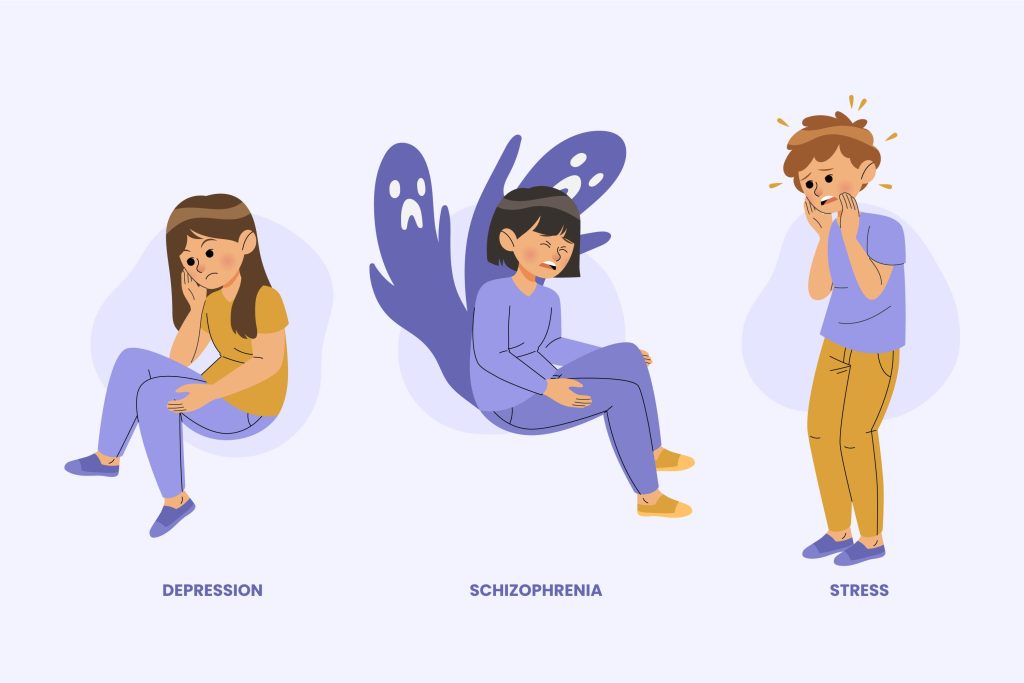
A. Positive symptoms: The positive symptoms are delusions, hallucinations and disorganised thoughts. These symptoms of schizophrenia are behaviours or experiences that are exaggerated or distorted compared to normal functioning. They are called “positive” because they represent an excess or addition to normal experiences, rather than a loss of function.
B. Negative symptoms: The negative symptoms include diminution or loss of functions or aspects of life that should be present in normal person. Typically negative symptoms are loss of drive, withdrawal from social activities, avolition, apathy and unattentivity.
C. Disorganised speech: This is a key symptom of chronic schizophrenia. People with chronic schizophrenia may have difficulty to express their thoughts to communicate coherently. Some patterns of disorganised speech involve losse of associations, tangentiality, clang associations, perseveration and neologism. This makes social interactions, work, and daily activities challenging.
People with chronic schizophrenia show significant impairment of social functioning although in such a group, it is difficult to differentiate the impact of illness and concomitant factors such as medications, from a primary dysfunction, which may be associated with the pathogenic process.
Causes and risk factors of chronic schizophrenia:
There is no single cause of chronic schizophrenia has been identified but several cause play important role in chronic schizophrenia. These causes can be broadly categorized into genetic, neurobiological, environmental, and psychological factors-
Genetic factors

The most commonly held risk factors for schizophrenia are genetics. Studies have shown that individuals with a family history of schizophrenia have a significantly higher risk of developing the disorder. And on the other hand if one identical twin has schizophrenia, there is about a 50% chance that the other twin will also develop it.
Differences in brain development :

Schizophrenia also involves abnormalities in brain structure and function. Neuroimaging studies show that many individuals with schizophrenia have abnormal brain size in areas such as the hippocampus, prefrontal cortex, and thalamus. These changes are not necessarily seen in everyone with schizophrenia and can also occur in people who do not have a mental illness. But they do suggest that schizophrenia may be partly a disorder of the brain.
Neurotransmitters:
Imbalances in neurotransmitters, particularly dopamine and glutamate, play a key role in the development of schizophrenia. Additionally, decreased levels of neurotransmitters, particularly dopamine and magnesium, play an important role in the development of schizophrenia. Overactivity of dopamine in certain brain areas is believed to promote hallucinations and delusions, while disturbances in glutamate signaling may impair cognitive and social abilities.
Prenatal and Perinatal Complications:
Infection, premature birth, malnutrition, or lack of oxygen during pregnancy or delivery may increase the risk of schizophrenia later in life. It may be that these things have a subtle effect on brain development.
Lifestyle and social stress:
People who grow up in urban environment have a higher risk of schizophrenia, mainly because of the greater social stress, pollution and toxins in urban areas which directly impact a person’s life.
Substance abuse:
The use of psychoactive drugs especially cannabis, cocaine, LSD or amphetamines, hallucinogens can increase the risk of developing schizophrenia, psychosis or a similar illness. If people have had symptoms of schizophrenia before, using drugs may cause a relapse of the disease or prevent symptoms from improving.
Treatment of chronic schizophrenia:
Lifelong treatment and management is required to help people with chronic schizophrenia lead functional and meaningful lives. This includes various treatment approaches such as medication, psychotherapy, social support, and rehabilitation can help manage symptoms and improve quality of life.
Medication:
Medications are the main method for treating schizophrenia. Antipsychotic medications are the most commonly prescribed medications for people with chronic schizophrenia. Such medicines work by blocking the effects of the chemical dopamine or other chemicals on the brain. These medicines help to reduce symptoms such as hallucinations, delusions, and thought disorders. Antipsychotic medications can usually reduce feelings of anxiety or aggression within a few hours of use, but other symptoms, such as hallucinations or delusional thinking, may take several days or weeks to subside.
Antipsychotic medicines involve two types- typical antipsychotic medicines and atypical antipsychotic medicines.
Both typical and atypical antipsychotics can cause side effects, although not everyone will experience them and their severity will vary from person to person. If you experience any side effects from taking these types of medications, contact your psychiatrist immediately.
The choice of antipsychotic medication should be made after a discussion between you and your psychiatrist about the potential benefits and side effects. Therefore, it is very important to consult a psychiatrist before taking any kind of medicine and do not take medicine without consulting a psychiatrist
Psychotherapy:

Mental health care sketch diagram
Psychotherapy helps people with chronic schizophrenia cope with their symptoms better. The effect of therapy is most effective when people parallel receive medication which helps in quick recovery from chronic schizophrenia. Common psychotherapies for chronic schizophrenia include-
Cognitive behavioural therapy (CBT): CBT helps identify thought patterns that are leading to unwanted feelings and behaviours, and teaches you to replace these thoughts with more realistic and helpful thoughts. Most of the people with chronic schizophrenia need a series of CBT sessions over several months. CBT sessions usually last about an hour. The number of sessions depends on the severity of the problem.
Family therapy:
Family therapy aims to provide support to the person suffering from schizophrenia as well as his family members or close ones. Through this therapy, all the people affected by schizophrenia who live with the affected person are helped.
Art therapy:
Art therapy is a therapy that encourages creative expression. Expressing things in a non-verbal way through art can provide a new experience for schizophrenia and help them develop new ways of relating to others.
Social support:
People with chronic schizophrenia often lose their social lives, so social support plays important role to their well-being, as it significantly impacts their well-being, treatment compliance, and overall quality of life.
Rehabilitation:
Rehabilitation of chronic schizophrenia is a long-term, multidisciplinary process that aims to help individuals restore lost functionality, improve quality of life, and reintegration into society. This involves a combined effort of medical, psychological, social and occupational interventions.