


Everywhere we go, there are complex phenomena capable of activating the senses, generating wonder, fascination, reflection, as well as creativity. Because of phenomena occurring in nature, going outside can also be profoundly beneficial. Each detail in life is meant for growth and exploration. Understanding the intricate processes and details which make up nature can help calm one’s mind.
What Is Mindfulness and Awareness?
Mindfulness, or awareness, is often referred to as meditation, and it entails focusing on a specific event, but with a relaxed mental state. Mindfulness is defined as the attention paid to the body and its processes in the present moment devoid of any action or judgment. Meditation usually incorporates relaxation in what is often a saturated, and turbulent mind.
There are a myriad of advantages to practicing mindfulness and meditation – relief from stress, anxiety and worry for instance. Concentrated breathing and deep breathing exercises can enhance self awareness, promote constructive sleep, and mental as well as physical wellbeing. With the help of these practices, one can cope with adversity and highly stressful situations with greater calmness, composure and resilience.
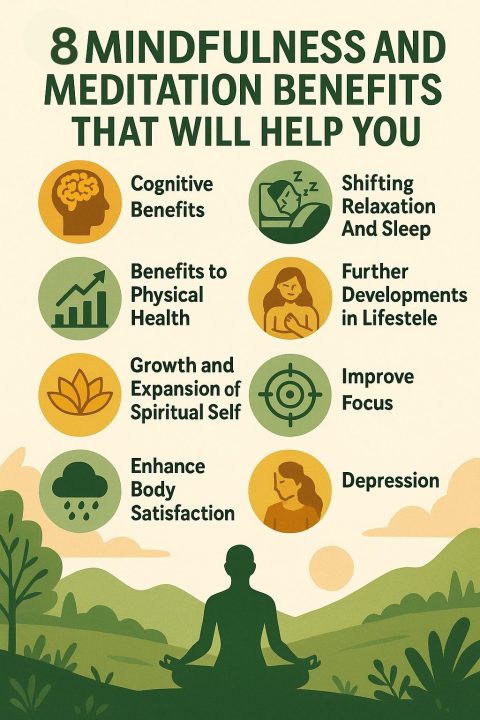
Taking a walk, mindfulness, yoga, or simply taking deep breaths are examples of wellness practices that positively impact our mental and emotional well-being. Soothing one’s mind through these wellness practices helps relieve daily mental tension. For example, relaxation helps us focus more on the present rather than stress and anxiety, which makes us feel more calm and balanced in state. These practices help us manage our emotions better which contributes to more effective coping with challenging situations. Moreover, these practices further assist us in having a greater understanding of one’s self which enables to understand our emotions and enhance emotional health. Furthermore, these practices calm the mind and reduce depression, thus enhancing patience, tolerance, and reducing the tendency of overthinking and becoming easily frustrated.
!. Cognitive Benefits of Wellness
Not only do wellness habits enhance emotions but also brain functions. Relaxing and taking a break clears the mind and aids focusing on daily tasks. All of these however help in remembering things better, making decisions with more ease, thinking and solving problems creatively, and accomplishing set targets. It also helps in slowing down cognitive decline as one ages. Increasing mindfulness enables cognitive flexibility to shift and pivot with ease in unforeseen situations, making them invaluable while dealing with unexpected events.
2. Shifting Relaxation And Sleep

Wellness practices address the issue of sleeplessness. Calm inviting activities such as meditation and prolonged quiet times invite sleep, thus combating insomnia. These practices foster an easier process of sleeping. Nuisance and less stress at nighttime enhances the chances of better sleep. Revitalized and relaxed, waking becomes easier.
3. Benefits to Physical Health

Wellness has a positive impact not only on our mental and emotional state, but also on our physical health. Relaxation helps speed up recovery, lowers blood pressure, heart rate, and reduces stress. This also boosts immunity and reduces chronic pain that many endure daily. Stress relief enhances gut health and helps in digestion too. Wellness helps in balancing hormones by lowering cortisol levels (the stress hormone) which is good for the body.
4. Further Developments in Lifestyle
Wellness promotes positive behavioral and lifestyle changes alongside. Mindfulness enables the promotion of good habits such as conscious eating. It plays a major role in addiction recovery since it helps in managing triggers that lead to a relapse. Self-discipline developed from owning wellness habits leads to better choices, effortless weight management, and smoother transitions. Also, there is improved motivation towards physical activities which supports holistic health.
5. Growth and Expansion of the Spiritual Self

Wellness aids in connecting with higher energies. One is better equipped to be present in the moment and derive happiness in the present. A calm centered mind is often more compassionate and loving which translates to having compassion to self and for others. Such habits embrace non-judgmental acceptance which corrects the misconception that one must not have issues or imperfections. They ultimately advocate for real resilience and coping with the world while remaining clean and at peace, even in the face of adversity.
6. Enhance Body Satisfaction
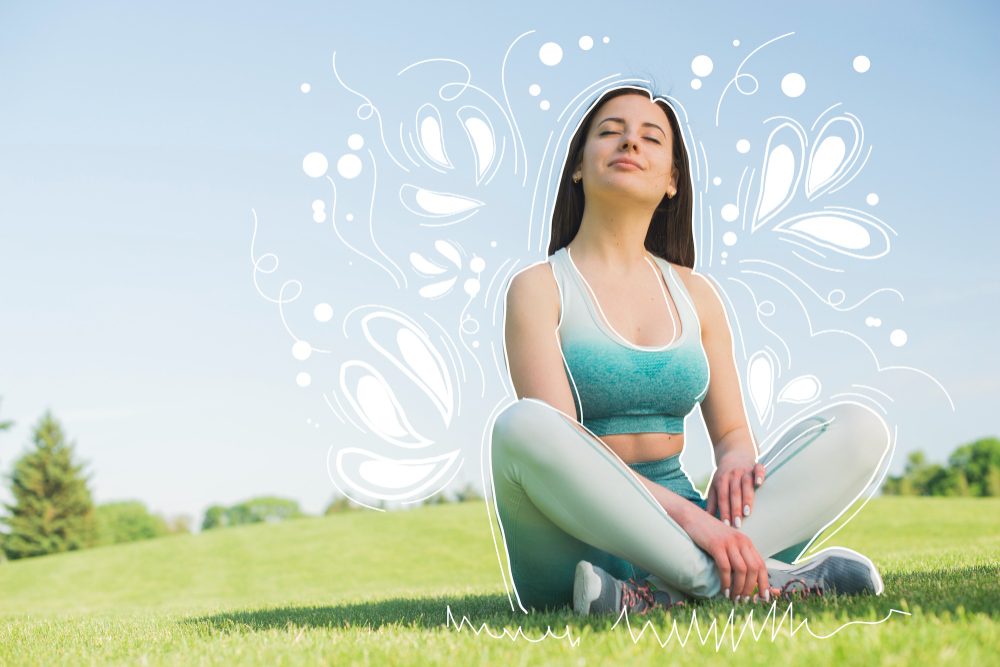
Mindful self compassion enhances body satisfaction. Mindfulness means focusing on the present moment and being able to appreciate themselves and their body for what it does and not how it looks. Instead of self-criticism, these are focused on acceptance—mindful meditations, gratitude exercises, affirmations, self-talk. As people become more comfortable in their skin, they find an increase in confidence, health, and a positive body image.
7. Improve Focus
Acquiring deep focus involves creating your very own practices and habits that lend themselves to mental clarity. For example, the clearer the goals, the clearer the steps, the less demanding it is on your brain so you remain focused. Mental performance, concentration throughout the day is also influenced by physical exercise, adequate sleep, proper nutrition and diet. Meditation and deep breathing practices trains a person’s mind to redirect her or his focus away from distractions more gently. Limiting simultaneous efforts and minimizing digital distractions enhances focus and engagement with the current task.
8. Depression

Depression is currently among the most common psychological disorders in the world. It is linked with chronic low spirits, low energy and loss of interest or pleasure in most activities that were previously enjoyed. It affects daily functioning — work performance, social relationships and even physical health — overall well-being.” The disorder is complex and there are multiple factors that contribute to it, including family history, genetics, brain chemistry, and external pressures. One crucial thing to keep in mind is that depression as a disorder has specific symptoms that should be treated by a qualified professional, typically through therapy or medication, or both. Additional measures in the form of a support group, better routines in lifestyle, and casual physical activity are also capable of relieving stress that contributes towards enhanced recovery.
Conclusion
The best part about wellness practices is their straightforwardness – they do not require expensive instruments or elaborate procedures, just your intent and dedication. To achieve relaxation, clearer thoughts, enhanced physical wellbeing or greater inner tranquility – following these steps will transform your life gradually, through small habitual changes. Start now, and watch yourself transform into a more positive person because of these changes.